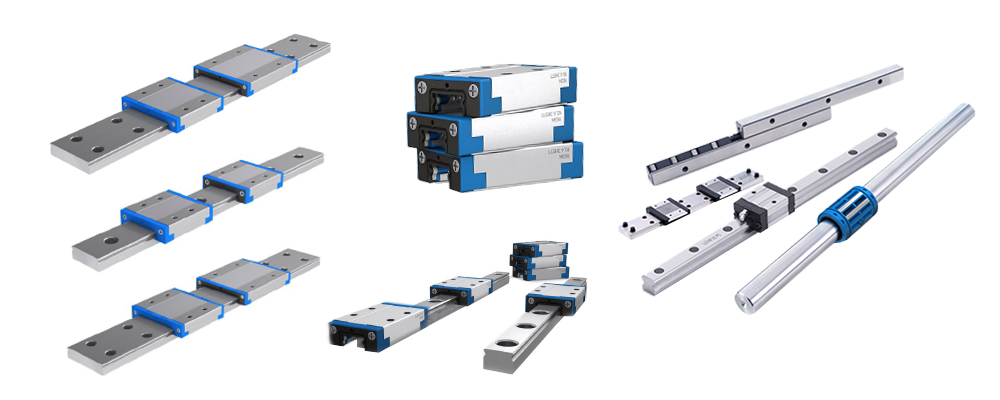
In today’s rapidly evolving industrial landscape, precision and efficiency are no longer optional—they are essential. From advanced robotics to heavy-duty machinery, modern manufacturing relies heavily on components that deliver smooth, accurate, and reliable movement. One such critical component is the Linear Guide. Known for its ability to support controlled linear motion with minimal friction, a Linear Guide plays a vital role in countless mechanical systems used across industries.
Whether found in automation equipment, CNC machines, or collaborative robotics, Linear Guide systems ensure stability, durability, and consistent performance. Understanding how these systems work and why they matter can help manufacturers and engineers choose the right motion solution for their operations.
What Is a Linear Guide?
A Linear Guide is a mechanical component designed to allow smooth and precise movement in a straight line. It typically consists of a rail and a moving block that slides along the rail using rolling elements such as a Ball bearing or Roller Bearing. These rolling elements reduce friction and enable highly accurate movement even under heavy loads.
Linear Guide systems are commonly used in industrial machines that require controlled motion, including semiconductor manufacturing equipment, automated assembly lines, and precision measuring systems. The design ensures consistent positioning, which is critical for tasks that demand accuracy down to fractions of a millimeter.
Because of their precision and load-bearing capabilities, Linear Guide systems have become essential components in modern mechanical design.
How Linear Guides Work with Other Industrial Components
While Linear Guide systems enable movement, they often operate alongside other mechanical and hydraulic components to create a complete motion control system.
For instance, in heavy machinery, a Hydraulic Pump may provide the power required to move large mechanical assemblies, while the Linear Guide ensures that the movement occurs smoothly and in a controlled path. This combination allows industrial equipment to perform demanding operations with both strength and precision.
In automated systems, Pneumatic Valves are frequently used to control air flow within pneumatic cylinders that drive movement. When integrated with a Linear Guide, these valves help maintain consistent motion and positioning in manufacturing equipment.
Modern factories also rely heavily on robotics. Cobots, or collaborative robots, are designed to work safely alongside human operators. These robots require extremely precise motion systems, and Linear Guide assemblies help deliver the stability and accuracy needed for delicate assembly tasks.
The Role of Bearings in Linear Guide Systems
Bearings are the heart of any Linear Guide mechanism. Without them, smooth motion would be impossible. Two common types used in Linear Guide assemblies are the Ball bearing and the Roller Bearing.
Ball bearing systems use spherical rolling elements to reduce friction and allow the carriage to glide smoothly along the rail. They are commonly used in applications where high precision and moderate load capacity are required.
Roller Bearing systems, on the other hand, use cylindrical rollers that provide a larger contact surface. This design enables the system to handle heavier loads while maintaining stability and accuracy.
Choosing the correct bearing configuration ensures that the Linear Guide performs efficiently under the specific demands of the application.
Maintenance and Longevity of Linear Guides
To maintain optimal performance, Linear Guide systems require proper maintenance and care. Industrial environments often expose machinery to dust, oil, and debris that can affect motion components.
A high-quality Degreaser is commonly used to clean rails and bearing components during maintenance procedures. Removing old lubricant, dirt, and residue ensures that the guide system continues to operate smoothly without unnecessary friction.
After cleaning, technicians typically apply fresh lubrication and sometimes use a Gasket Sealer when sealing mechanical housings or assemblies connected to the Linear Guide system. This helps prevent leaks and contamination that could compromise performance.
Regular maintenance significantly extends the lifespan of Linear Guide components and reduces the risk of costly equipment downtime.
Applications Across Modern Industries
The versatility of Linear Guide systems allows them to be used in a wide range of industries. In manufacturing plants, they support automated production lines and CNC machinery. In the electronics sector, they provide precise positioning for semiconductor assembly and inspection systems.
The automotive industry also relies on Linear Guide technology in robotic welding stations and automated inspection equipment. Even medical devices and laboratory equipment use miniature Linear Guide assemblies to achieve extremely precise motion.
With the growing adoption of smart factories and automation technologies, the demand for high-performance Linear Guide systems continues to increase.
Choosing a Reliable Linear Guide Supplier
Selecting a reliable supplier is just as important as choosing the right Linear Guide design. High-quality components ensure better durability, smoother motion, and longer service life.
One company widely recognized for providing reliable motion solutions is SLS Bearings. Known for its extensive range of precision components, SLS Bearings offers high-performance Linear Guide systems designed to meet the demanding requirements of modern industrial applications. Their products are trusted by engineers and manufacturers who prioritize reliability, accuracy, and long-term performance.
Conclusion
In modern engineering and manufacturing, precision motion technology plays a crucial role in productivity and innovation. The Linear Guide stands out as one of the most essential components enabling smooth and controlled linear movement.
When combined with systems such as Hydraulic Pump assemblies, Pneumatic Valves, and advanced robotics like Cobots, Linear Guide systems form the backbone of efficient automation. Supported by reliable components such as Ball bearing and Roller Bearing mechanisms, they ensure consistent motion even in demanding environments.
With proper maintenance using tools like a Degreaser and sealing solutions such as Gasket Sealer, these systems can deliver long-lasting performance. By sourcing components from trusted suppliers like SLS Bearings, businesses can ensure their machinery operates with the precision and reliability needed to stay competitive in today’s industrial world.




More Stories
Where Can You Find the Best Flavors at a Restaurant Stuart FL or Winery Stuart FL?
Choosing The Right California Personal Injury Attorneys For Your Case
Investment Property for Sale London: The Unspoken Rules That Shape Real Returns