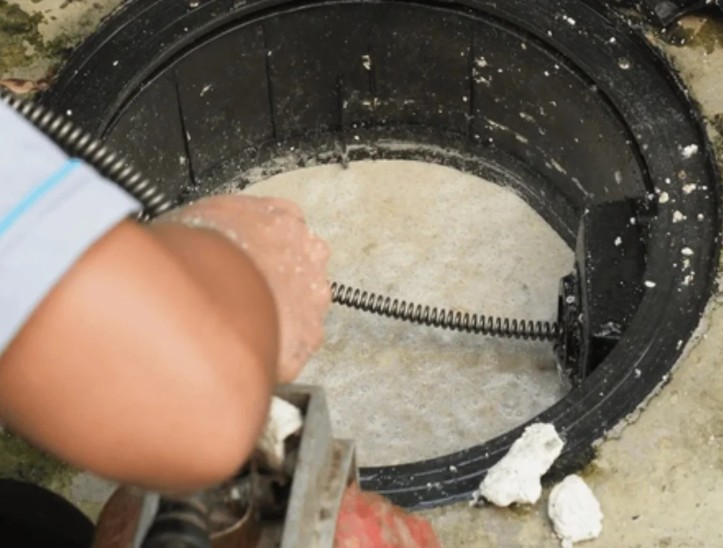
You run a busy restaurant. Your kitchen works nonstop. Every day brings fried chicken, sizzling steaks, and creamy sauces. This is great for your customers. It’s terrible for your drains. All that cooking creates one problem: grease. Lots of it.
Expert grease trap cleaning and pumping isn’t a luxury. It’s a necessity. When you ignore grease buildup, your drains back up. Water pools around your sink. That smell hits your dining room. Health inspectors notice. Fines follow. Some restaurants have shut down for days because of grease disasters.
The good news? Expert grease trap cleaning and pumping prevents these nightmares. Grease interceptor pumping keeps everything flowing smoothly. Regular maintenance protects your business, your staff, and your reputation. Grease Cleaning Pros specializes in exactly this work. They handle expert grease trap cleaning, grease interceptor pumping, and complete kitchen waste management for restaurants of all sizes. With years of experience and professional equipment, they’ve saved countless restaurants from costly emergencies.
What Exactly Is a Grease Trap (and Why It Matters)?
Your grease trap sits under your sink or outside your restaurant. It’s a simple container with one big job: catch grease before it enters the sewer system. Here’s how it works.
Dirty water from your sink enters the trap. The trap cools the water down. Grease solidifies as it cools. It floats to the top and sits there. Food solids sink to the bottom. Clean water escapes through the outlet pipe and heads to the sewer. The trap holds the dangerous stuff.
Without this trap, cooking grease would flow straight into city sewer pipes. Those pipes would clog. The entire municipal system would back up. That’s why health departments require grease traps in every commercial kitchen. It’s not optional. It’s the law.
But here’s the thing: traps fill up. They need pumping. They require expert grease trap cleaning and pumping to work properly. Ignore this, and you’re breaking health codes. You’re risking fines, closure, and expensive pipe damage.
The Difference Between Grease Traps and Grease Interceptors
People use these terms interchangeably. They’re actually different.
Grease traps are smaller units. They sit under your sink or in your floor. They hold 20 to 50 gallons. Perfect for small coffee shops or sandwich places. These work well for kitchens that produce light to moderate grease loads.
Grease interceptors are much larger. They sit underground outside your building. They hold 500 to 5,000 gallons. Your busy steakhouse or hotel kitchen needs one of these. High-volume restaurants generate massive amounts of grease daily. A small trap can’t handle that volume. An interceptor can. Grease interceptor pumping is different from trap pumping because of the scale. You need specialized equipment and expertise.
Both serve the same purpose. Both catch grease. Both need regular professional maintenance. The size depends on your kitchen volume and local codes. Grease Cleaning Pros handles both types with equal skill and care.
How Often Do You Need Expert Grease Trap Cleaning and Pumping?
This question has no one-size-fits-all answer. Your schedule depends on three things: your kitchen size, your menu, and local regulations.
A typical restaurant needs expert grease trap cleaning and pumping every 30 to 90 days. A small café might go longer. A busy steakhouse might need monthly service. Here’s the important part: don’t wait until it’s full. Once your trap reaches 25 percent capacity, it stops working properly. The outlet gets blocked. Grease backs up into your sink. That’s when emergencies happen.
High-volume kitchens pumping out fried foods constantly might need grease interceptor pumping once monthly. Medium kitchens do fine every two months. Lighter operations work with quarterly schedules. Your local health department can specify minimum requirements. Most pros recommend more frequent cleaning than the minimum.
How do you know it’s time? Your sink drains slowly. Water pools around floor drains. Bad smells come from your drains. These are signs your system is getting full. Call a professional before things get worse.
What Happens During Professional Grease Trap Cleaning and Pumping?
Professional cleaning isn’t just pumping out liquid. It’s a thorough process that takes experience and proper equipment.
The technician first inspects your trap. They check for cracks, corrosion, and damage. They measure solids and grease buildup. Then pumping begins. A vacuum truck removes all accumulated material. This includes water, grease, and food solids.
After pumping, real cleaning starts. The technician scrapes trap walls clean. Grease sticks to surfaces hard. Scraping removes buildup that water alone won’t touch. They inspect baffles for damage. These internal walls direct water flow. Damaged baffles reduce efficiency. They check outlet pipes for blockages. Everything must flow properly.
Finally, deodorizing happens. Trapped grease smells terrible. Professional deodorizers eliminate these odors. Your kitchen smells fresh afterward. The whole process typically takes 30 to 60 minutes for standard traps.
Grease Cleaning Pros completes this entire process with care and efficiency. They document everything with before and after photos. They provide detailed service reports for your health department compliance file.
When You Really Need Grease Interceptor Pumping and Hydro Jetting
Sometimes regular pumping isn’t enough. Grease hardens inside pipes like concrete. Food particles create stubborn blockages that won’t budge. Your regular snaking isn’t cutting it. That’s when you need something stronger.
Hydro jetting uses high-pressure water blasting. We’re talking 4,000 PSI of cleaning power. This isn’t your garden hose. Professional hydro jetting scours pipe walls completely. It removes years of buildup in minutes. Your drains flow like new again.
This service works amazingly for floor drains clogged with decades of grease. Sink lines that never fully clear respond well. Main sewer pipes benefit tremendously. Most restaurants should hydro jet annually. Busy kitchens benefit from twice-yearly service. Think of it as preventive maintenance for your pipes.
How do you know you need it? Your drains stay slow even after regular cleaning. Multiple drains back up simultaneously. Gurgling sounds come from your pipes when water drains. That mystery smell from drains that won’t go away. These signs mean hardened grease is narrowing your pipes significantly. Professional hydro jetting is your solution.
Five Signs You Need Professional Service Right Now
Your drains are screaming for help. Listen to these warning signs. They tell you when it’s time to call professionals.
One: slow-draining sinks that won’t improve. You plunge repeatedly. Water still pools. This means blockages are forming in your trap or pipes. One: water pooling around floor drains in your kitchen. This indicates severe blockages upstream. One: foul sewage odors coming from your drains. Trapped grease creates these smells. One: gurgling sounds when water drains from sinks or floors. This means your vent system isn’t working right because of blockages. One: needing the plunger more than twice weekly. Your system is struggling hard.
Don’t ignore these signs. Don’t wait for complete failure. Call professionals when you notice early symptoms. Early intervention costs less than emergency repair.
The Real Costs of Ignoring Grease Trap Maintenance
Skipping professional grease trap cleaning seems like saving money. Actually, it costs way more.
A neglected trap backs up into your kitchen sink. Your dishwasher can’t drain. Your whole operation shuts down. You lose a day of revenue. That’s thousands of dollars. A single day closure might bring fire code violations from health inspectors. Fines run $1,000 to $5,000 per violation. Some restaurants face permit suspension until problems are fixed.
Hardened grease in pipes causes even bigger problems. You need emergency plumbing repair. That costs $2,000 to $5,000 easily. Sometimes pipes need replacement. That’s $10,000 or more. Meanwhile, you’re closed. You’re losing business. Your reputation takes hits. Customers hear about your sanitation problems.
Compare this to regular maintenance. Expert grease trap cleaning and pumping costs around $150 to $300 per service. Monthly service for a busy restaurant costs maybe $2,000 yearly. Insurance against emergencies that cost ten times that? That’s smart business.
Why Grease Cleaning Pros Stands Out from the Competition
Plenty of companies pump grease traps. Not all provide the same level of service. Grease Cleaning Pros does things differently and better.
They show up on time. Every single time. This matters when you’re running a restaurant. Staff schedules change. Prep starts at 5 AM. You need professionals who respect your schedule and keep their commitments.
Their technicians wear uniforms and boot covers. They respect your space like it’s their own. They work efficiently without disrupting operations. Most jobs finish in under two hours. You stay open. You serve customers. Your business keeps running.
Documentation is complete. Before and after photos. Detailed service reports. Proper disposal manifests. You get complete records for your health department file. Inspectors love when you show regular professional maintenance records. It keeps your permits safe.
Equipment is top-tier. Modern vacuum trucks handle any job size. Professional-grade hydro jetters blast through the toughest blockages. Proper safety gear protects their team. They invest in the best tools because your business deserves the best service.
Grease Cleaning Pros offers more than just pumping. They provide cooking oil collection. They handle grease trap repair and replacement. They offer hydro jetting for stubborn pipes. It’s a complete grease management solution.
The Benefits of Regular Expert Grease Trap Cleaning and Pumping
Regular maintenance creates real business benefits beyond avoiding disaster.
Your drains work at peak efficiency. Water drains properly. Slow drainage never happens. Your staff isn’t fighting clogged sinks during busy service. That’s less stress. That’s better customer service.
You stay compliant with health codes. Inspectors see your maintenance records. They see regular professional service. They see you take sanitation seriously. Your permits stay safe. Your business reputation stays clean.
You save money. One emergency repair costs more than a year of maintenance. One day closure costs more than a year of maintenance. Regular expert grease trap cleaning and pumping is cheap insurance against disaster.
Your pipes last longer. Regular cleaning prevents the hardening that causes major damage. Grease interceptor pumping on schedule means less wear on your system. You extend the life of expensive equipment and pipes.
Your kitchen smells better. Trapped grease creates horrible odors. Regular cleaning eliminates these smells. Your dining room stays fresh. Customers notice.
What to Expect from Grease Interceptor Pumping at Your Restaurant
You’ve called a professional. What happens next?
A technician arrives with proper equipment and identification. They locate your grease interceptor. They discuss your service history and any problems you’ve noticed. They explain what they’ll do and how long it takes.
Pumping begins with a vacuum truck. The technician connects hoses to your interceptor. Suction removes all accumulated grease and solids. This is messy work. Professionals handle it without getting your kitchen dirty.
Then comes inspection. They check interior walls. They look for cracks and corrosion. They examine baffles and outlet pipes. They note any problems that need repair.
Cleaning follows. They scrape walls. They remove stubborn buildup. They deodorize to eliminate odors. They run water through your system to verify everything flows properly.
Finally, documentation. They take photos. They write your service report. They discuss next service timing based on their findings. You get everything in writing. Most appointments take one to two hours total.
Common Questions About Grease Trap Maintenance
Can I just pour hot water down my drain? No. Hot water melts grease temporarily, but grease moves further down pipes and hardens again. You’ve just moved the problem. Expert grease trap cleaning and pumping removes grease completely.
Can I clean my own trap? Not safely. Traps contain hazardous gases and toxic materials. Professional equipment and training are required. Improper cleaning creates health hazards.
How often should I hydro jet? Most restaurants benefit from annual service. High-volume kitchens should hydro jet twice yearly. This prevents the buildup that causes emergency repairs.
Will cleaning disrupt my restaurant? No. Professional service works around your schedule. Early morning before prep or late evening after closing works perfectly. You stay open. You keep serving customers.
What happens to collected grease? Grease Cleaning Pros recycles it responsibly. Used cooking oil becomes biodiesel. It powers trucks and heating systems. Some becomes animal feed supplements. Your waste becomes useful products instead of environmental hazard.
The Bottom Line: Invest in Professional Grease Management
Running a restaurant means dealing with grease. You can’t avoid it. You can manage it professionally.
Expert grease trap cleaning and pumping keeps your business running. It keeps your drains flowing. It keeps health inspectors happy. It saves you thousands in emergency repairs. Regular maintenance is the smart choice. It’s not just about compliance. It’s about protecting your investment.
Grease Cleaning Pros has the experience, equipment, and reliability to handle your grease management. They understand restaurants. They understand pressure. They show up, do the work right, and keep you informed. Contact them today for a quote on expert grease trap cleaning and pumping. Your drains will thank you.
Company Information:
Grease Cleaning Pros specializes in expert grease trap cleaning, grease interceptor pumping, hydro jetting, and used cooking oil collection for restaurants. They provide professional, on-time service with complete documentation for health department compliance.
Website: https://www.greasecleaningpros.com/
Phone: (310) 299-3809
Key Takeaways:
Your grease traps need expert grease trap cleaning and pumping every 30 to 90 days depending on your kitchen volume. Ignoring this leads to backups, foul odors, health code violations, and expensive emergency repairs. Professional maintenance keeps your drains flowing and your business protected. Grease interceptor pumping for larger restaurants follows the same principle. Regular service costs far less than emergency fixes. When signs appear like slow drainage or odd smells, call professionals immediately. Grease Cleaning Pros offers complete grease management solutions tailored to your restaurant’s needs.


More Stories
Is Buying Platinum Bullion a Smart Move for Your Portfolio?
Linear Guide Systems: The Backbone of Precision Motion in Modern Industry
How to Find the Best Luxury Car Dealer and Subaru for Sale in Denver, CO?