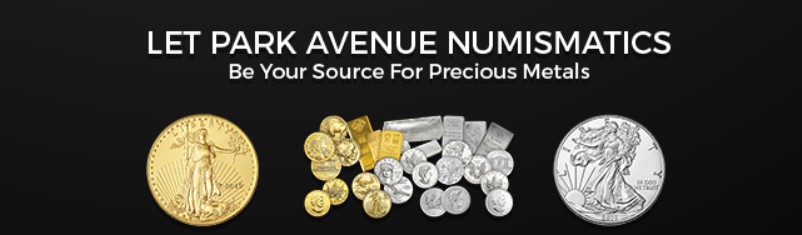
When you start looking at bullion coins for sale, the choices can feel overwhelming. Should you buy gold bullion or silver? What makes one coin better than another? These questions matter because your money is on the line. Investing in precious metals isn’t just about buying shiny objects. It’s about protecting your wealth and making smart financial moves. The good news is that once you understand the basics, the process becomes much clearer. You don’t need to be an expert to get started. You just need the right information and a trusted source to work with.
Park Avenue Numismatics has been helping collectors and investors navigate the precious metals market for years. This company specializes in bullion coins, rare collectibles, and investment-grade precious metals. Their team understands that every buyer has different goals, whether you’re building a retirement portfolio or starting a collection. The guidance they provide makes the buying process smoother for beginners and experienced investors alike.
Understanding What Bullion Coins Actually Are
Bullion coins are different from regular coins you use at the store. They contain precious metals like gold, silver, platinum, or palladium. The value comes from the metal content, not the face value stamped on the coin. A gold bullion coin might say one dollar on it, but it’s worth hundreds or thousands based on current gold prices. That’s the key difference. These coins are minted by government facilities and carry official markings that guarantee their metal content and purity.
Most bullion coins come in standard weights. Gold coins typically range from one-tenth of an ounce to one full ounce. Silver coins often weigh one ounce, though you can find larger sizes too. The weight and purity determine the base value. Popular options include American Gold Eagles, Canadian Maple Leafs, South African Krugerrands, and Austrian Philharmonics. Each has its own design and history, but they all serve the same basic purpose as stores of value.
The purity level matters a lot. Pure gold is 24 karats, but many bullion coins use 22-karat gold mixed with small amounts of copper for durability. Silver bullion coins are usually 99.9% pure silver. When you buy from reputable sources, these specifications are guaranteed. You know exactly what you’re getting. That peace of mind is worth a lot when you’re spending serious money on precious metals.
Why Investors Choose Gold Bullion
Gold has been valuable for thousands of years. It doesn’t rust, corrode, or lose its shine. Governments and central banks hold gold reserves because it maintains value even when paper money doesn’t. When you invest in gold bullion, you’re following a strategy that has worked throughout human history. During times of economic uncertainty, gold prices often rise as people seek safe investments. It acts as insurance against inflation and currency problems.
Physical gold gives you something tangible. Unlike stocks or digital assets, you can hold it in your hand. Some investors find comfort in that. If the power goes out or computer systems fail, your gold still has value. It’s portable and recognized worldwide. You could take a gold coin to almost any country and exchange it for local currency. That universal acceptance makes gold unique among investments.
Gold bullion fits well in a diversified portfolio. Financial advisors often recommend putting five to ten percent of your investments into precious metals. This creates balance. When stock markets drop, gold often moves in the opposite direction. The combination helps protect your overall wealth. You’re not putting all your eggs in one basket. Gold provides stability that complements riskier investments.
How to Evaluate Bullion Coins Before Buying
Start by checking the coin’s authenticity markers. Legitimate bullion coins have specific designs, weights, and edge details. Government mints produce these coins to exact standards. Learn what your chosen coin should look like. Compare any coin you’re considering to official images from the mint. Look for clear strikes, proper weight, and correct dimensions. Counterfeit coins exist, so knowing what to check protects you from fakes.
The premium over spot price is another important factor. Spot price means the current market value of the raw metal. Dealers add a premium to cover their costs and profit. This premium varies based on the coin type, size, and current demand. Smaller coins usually have higher premiums per ounce because they cost more to produce. Popular coins like American Eagles sometimes carry higher premiums than less common options. Compare premiums across different dealers to find fair pricing.
Condition matters more for collectible coins than bullion. If you’re buying purely for metal content, small scratches or wear don’t reduce value much. The gold or silver inside is what counts. But if a coin has historical significance or limited mintage, condition affects price significantly. Decide whether you’re buying for investment or collecting. That choice shapes which coins make sense for you.
The Role of Trusted Dealers in Your Investment
Working with established dealers makes the buying process safer. Park Avenue Numismatics offers a wide selection of bullion coins for sale along with expert guidance. They verify authenticity before coins reach customers. This screening process eliminates many risks that come with buying from unknown sources. Reputable dealers also provide accurate descriptions, clear pricing, and reliable shipping. These factors matter when you’re spending hundreds or thousands of dollars.
A good dealer educates customers instead of just pushing sales. They explain the differences between coins and help you choose based on your goals. If you want the lowest premium, they’ll point you toward basic bullion coins. If you’re interested in coins with collectible value, they’ll show you those options too. This honest approach builds trust. You’re not just another transaction. You’re a client they want to keep for years.
Customer service extends beyond the initial sale. Questions come up after purchase. Maybe you want to sell later or add to your collection. Established dealers remain available to help. They might buy back coins you purchased from them. They can provide current market values and advice on timing. This ongoing relationship adds value that extends far beyond a single transaction.
Storage and Security Considerations
Where you keep your bullion coins matters as much as what you buy. Home storage seems convenient but comes with risks. Burglars target homes for valuables. Fire and water damage can occur. If you keep coins at home, invest in a quality safe. Bolt it down so thieves can’t just carry it away. Consider a safe deposit box at a bank for added security. The annual fee is small compared to the value of your investment.
Some investors use professional storage facilities designed for precious metals. These vaults offer high security, insurance, and easy access when you need it. The cost runs higher than a bank box, but the protection is stronger. Climate-controlled environments prevent damage. Advanced security systems monitor the facility around the clock. For large collections, professional storage makes sense.
Insurance is another piece of the puzzle. Homeowners insurance might not fully cover bullion coins. Check your policy details. You may need to add a rider specifically for precious metals. Document your collection with photos and receipts. Store this information separately from the coins themselves. If theft or damage occurs, proper documentation speeds up insurance claims and proves ownership.
Common Mistakes New Buyers Make
Paying too much happens when buyers don’t compare prices. Check spot prices before shopping. Calculate the premium each dealer is charging. Small differences add up, especially on larger purchases. Don’t assume the first price you see is the best. Take time to research. A few hours of homework can save you hundreds of dollars.
Buying impulsively without a strategy leads to regret. Some people see gold prices rising and jump in out of fear of missing out. Others buy random coins without considering their long-term goals. Develop a plan first. Decide how much you want to invest. Choose specific coin types that match your objectives. Stick to your plan instead of chasing every shiny object.
Falling for deals that seem too good to be true usually means they are. Scammers target precious metals buyers with fake coins and fraudulent schemes. If someone offers gold at significantly below market price, ask why. Legitimate dealers can’t sell much below spot price and stay in business. Trust your instincts. When something feels off, walk away. Better to miss a fake deal than lose your money.
Market Timing and Price Fluctuations
Gold and silver prices change constantly based on global events. Economic reports, political tensions, and currency values all affect precious metals markets. Trying to perfectly time your purchases is nearly impossible. Even professional traders get it wrong. A better approach is dollar-cost averaging. Buy consistent amounts at regular intervals. This strategy smooths out price swings over time.
Long-term thinking works better than short-term speculation. Bullion coins serve best as multi-year investments. Don’t expect to buy today and sell next month for big profits. Markets fluctuate. Sometimes prices drop after you buy. That’s normal. If you bought for the right reasons, short-term dips shouldn’t worry you. Focus on the long-term trend and the protection precious metals provide.
Stay informed but don’t obsess over daily price movements. Check prices periodically to understand market conditions. Read news that affects precious metals. But watching charts every hour creates stress without improving outcomes. Make purchases when prices seem reasonable based on historical context. Then hold your coins as part of a balanced investment approach.
Silver Versus Gold: Which Makes More Sense
Silver costs much less per ounce than gold. This lower price point lets smaller investors buy meaningful amounts of precious metal. A few hundred dollars buys several ounces of silver. That same money might only get a fraction of a gold ounce. Silver also has industrial uses in electronics, solar panels, and medical equipment. This industrial demand adds another factor to silver’s value.
Gold concentrates more value in less space. If you need to store or transport significant wealth, gold’s density helps. Ten thousand dollars in gold coins fits in your pocket. That amount in silver fills a box. For large investments, gold’s compact nature is practical. The higher per-ounce price also means smaller premiums as a percentage of value.
Many investors hold both metals. Silver offers affordability and growth potential. Gold provides stability and concentration of value. The ratio between silver and gold prices fluctuates historically. Sometimes silver is relatively cheap compared to gold. Other times the ratio narrows. Holding both metals gives you exposure to different market dynamics. You’re not betting everything on one metal’s performance.
Building a Collection Over Time
Start small if you’re new to precious metals. Buy one or two coins to get familiar with the process. See how it feels to own physical gold or silver. Learn the buying procedure. Then gradually add to your holdings as your budget allows. This measured approach builds confidence without risking too much money upfront.
Set clear goals for your collection. Are you saving for retirement? Building an emergency fund? Creating a legacy for your children? Your goals determine which coins to buy and how much to spend. Write down your objectives. Review them periodically. Adjust your strategy as your life circumstances change. Goals keep you focused and prevent aimless buying.
Track your purchases carefully. Record what you bought, when, and for how much. Note the spot price at purchase time. This information helps you understand your investment performance. It also provides essential documentation for insurance and eventual sales. Simple spreadsheet tracking works fine. You don’t need fancy software. Just maintain accurate records from day one.
Selling Your Bullion Coins Later
Eventually you might want to sell some or all of your coins. The process works similarly to buying but in reverse. Reputable dealers will buy back coins at prices based on current spot rates minus their buying fee. This fee is usually lower than the premium you paid when buying. Expect to sell for slightly less than spot price while buying required paying above spot. That spread is how dealers make money.
Timing your sale strategically can maximize returns. Sell when precious metals prices are high relative to historical averages. Watch for economic conditions that push investors toward gold and silver. Tax considerations matter too. In some jurisdictions, precious metals sales trigger capital gains taxes. Understand the tax implications before selling. Talk to a tax professional if you’re unsure.
Park Avenue Numismatics works with sellers as well as buyers. They appraise collections, make fair offers, and handle transactions professionally. Having a relationship with a trusted dealer simplifies the selling process. You know who to contact. They know your history as a customer. This familiarity makes for smoother transactions when you’re ready to convert your metals back to cash.
Final Thoughts on Precious Metals Investing
Buying bullion coins for sale represents a time-tested investment strategy. Physical gold and silver provide security that paper assets can’t match. The key is approaching precious metals with realistic expectations. They won’t make you rich overnight. They’re not magic solutions to financial problems. But as part of a balanced portfolio, they offer genuine benefits.
Education continues even after your first purchase. Markets evolve. New coin types emerge. Your financial situation changes. Keep learning about precious metals. Read reliable sources. Talk to experienced collectors. Attend coin shows if possible. The more you know, the better decisions you’ll make.
Remember that investing in gold bullion and other precious metals is a personal decision. What works for one investor might not suit another. Consider your risk tolerance, financial goals, and overall situation. Don’t follow the crowd blindly. Make choices based on your unique circumstances. With proper research and a trustworthy dealer, precious metals can be a valuable addition to your financial plan. The journey starts with that first coin. From there, you build knowledge and wealth one piece at a time.




More Stories
Modern Sleeper Sofa: The Ultimate Guide to Stylish, Space-Saving Comfort
High-Quality Halal Vitamin D3: A Smart Choice for Your Health and Lifestyle
The Ultimate Guide to Restoring Icons: Where Should You Buy Jeep Cherokee XJ Parts Online and Jeep Liberty KK Components?