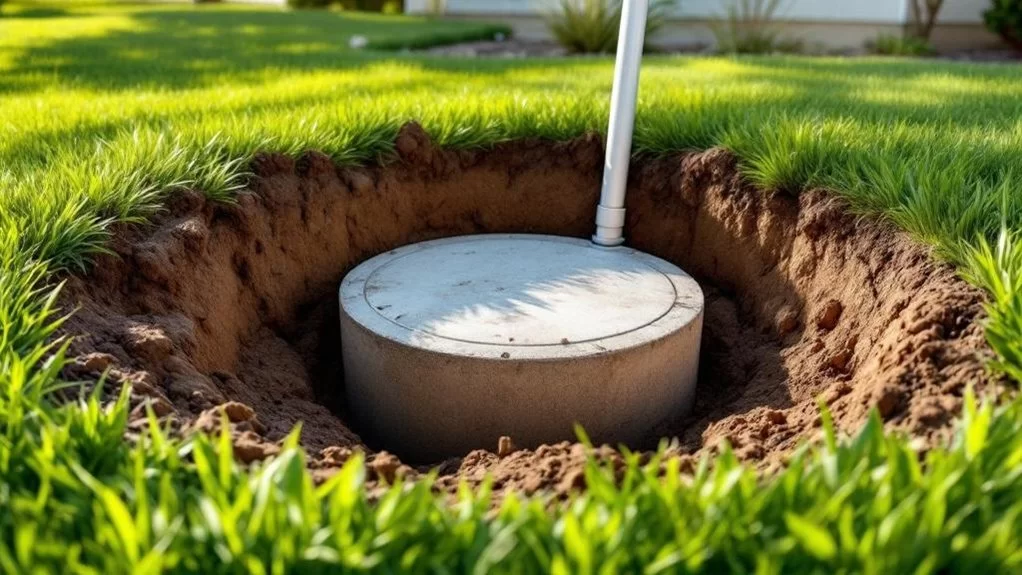
If you own a home or commercial property in Los Angeles, your septic system is one of the most important — and often most overlooked — parts of your property. It works quietly underground, handling wastewater day after day. But without regular maintenance, even the best systems can fail. That’s why septic tank pumping Los Angeles services are not a luxury — they’re a necessity.
As a septic pumping professional, I’ve seen firsthand what happens when routine maintenance is ignored. From foul odors to complete system backups, most major septic disasters could have been prevented with timely service. Let’s break down why septic pumping Los Angeles is critical and how to stay ahead of costly problems.
Why Septic Pumping Los Angeles Is So Important
Your septic tank collects all the wastewater from your home — showers, toilets, sinks, laundry, and more. Over time, solid waste settles at the bottom of the tank, forming sludge. Oils and grease float to the top, forming a scum layer. The liquid wastewater flows into the drain field for further treatment.
If the tank isn’t pumped regularly, solids build up and eventually overflow into the drain field. Once that happens, repairs can become extremely expensive. In severe cases, you may need a full drain field replacement — which can cost thousands of dollars.
Routine septic tank pumping Los Angeles prevents:
-
Sewage backups into your home
-
Slow drains and gurgling pipes
-
Foul odors in your yard
-
Drain field failure
-
Costly emergency repairs
In Los Angeles, where many properties rely on septic systems outside the central sewer grid, staying proactive is especially important.
How Often Should You Schedule Septic Pumping Los Angeles?
There’s no one-size-fits-all answer, but most residential septic tanks should be pumped every 3 to 5 years. However, several factors influence this timeline:
-
Household size
-
Tank capacity
-
Water usage habits
-
Garbage disposal use
-
Age of the system
Large families or homes with high water usage may need more frequent septic tank pumping Los Angeles services. Commercial properties, restaurants, and multi-unit buildings often require annual or biannual pumping.
If you’re unsure when your tank was last serviced, that’s your first warning sign. A professional inspection can quickly determine your tank’s condition.
Warning Signs You Need Septic Pumping Los Angeles Now
Sometimes, your septic system sends clear signals that it’s overdue for service. Don’t ignore these red flags:
-
Water backing up in sinks or tubs
-
Toilets flushing slowly
-
Standing water near the drain field
-
Strong sewage odors outdoors
-
Unusually lush green grass over your tank
These are indicators that solids have built up too high. Waiting too long can cause permanent system damage.
What Happens During Septic Tank Pumping Los Angeles?
Many homeowners are curious about what actually happens during a pumping appointment. Here’s a quick breakdown:
-
The technician locates and opens the septic tank access lids.
-
Sludge and scum levels are measured.
-
A powerful vacuum truck removes all waste from the tank.
-
The technician inspects baffles and components for damage.
-
The tank is securely closed and sealed.
A proper septic pumping Los Angeles service does more than just empty the tank. It includes inspection and preventative evaluation, which can catch minor issues before they turn into major repairs.
Why Choosing the Right Septic Pumping Company Matters
Not all septic companies provide the same level of service. In a city as large and diverse as Los Angeles, experience and reliability make a significant difference.
A professional company will:
-
Arrive on time
-
Use modern vacuum equipment
-
Follow local environmental regulations
-
Provide transparent pricing
-
Offer maintenance recommendations
One company many property owners trust is Septic services of LA. Known for reliability, professionalism, and affordability, they provide thorough septic tank pumping Los Angeles services tailored to residential and commercial properties. Their experienced technicians focus on efficiency and preventative care, helping homeowners avoid unexpected septic emergencies.
The Cost of Skipping Septic Pumping Los Angeles
Some homeowners delay pumping to save money. Unfortunately, that decision often leads to much higher expenses later.
Here’s what neglected systems can cost you:
-
Emergency pumping fees
-
Pipe repairs
-
Drain field replacement
-
Landscaping restoration
-
Property damage cleanup
Routine septic pumping Los Angeles is significantly more affordable than major system repairs. Think of it like changing the oil in your car — regular maintenance protects your investment.
Tips to Extend the Life of Your Septic System
Beyond scheduling regular septic tank pumping Los Angeles, here are practical steps you can take:
-
Avoid flushing wipes, even “flushable” ones.
-
Limit grease disposal down sinks.
-
Spread out laundry loads during the week.
-
Conserve water when possible.
-
Keep heavy vehicles off your drain field.
Small habits make a big difference in the long-term performance of your system.
Final Thoughts on Septic Pumping Los Angeles
Your septic system may be out of sight, but it should never be out of mind. Regular septic pumping Los Angeles protects your home, your property value, and your health. It prevents unpleasant surprises and keeps wastewater flowing safely underground.
Whether you’re a homeowner in the hills, managing a rental property, or running a small business, proactive maintenance is the smartest move you can make. Scheduling routine septic tank pumping Los Angeles service ensures your system operates efficiently for decades.
If you haven’t had your tank inspected or pumped recently, now is the time to act. A trusted provider like Septic services of LA can help you stay ahead of problems and keep your septic system performing exactly as it should.




More Stories
Convertible Sofa Bed: The Ultimate Guide for Stylish and Functional Living
How SlickCashLoan Fits Different Short-Term Money Needs
Roller vs Ball Bearings: Which One Should You Choose?