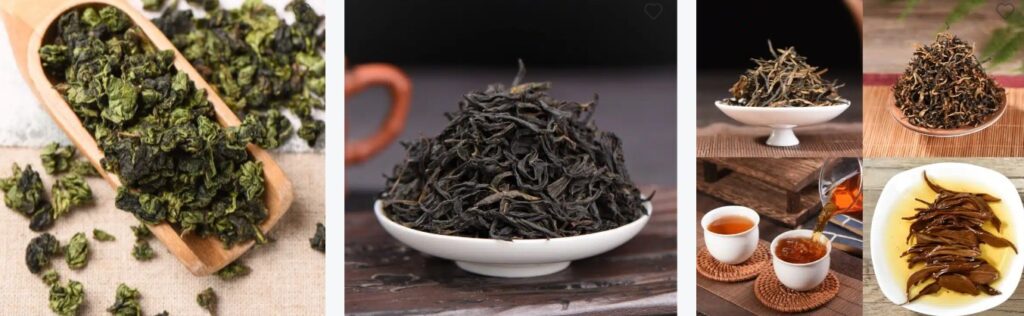
Tea lovers everywhere are searching for something special. They want flavor, health benefits, and quality. That’s where Chinese loose-leaf oolong tea comes in. This ancient tea offers a perfect balance between green and black tea. It’s partially oxidized, which creates unique flavors you won’t find anywhere else.
Aged oolong tea takes this experience even further. Time transforms the leaves. The taste becomes deeper and more complex. Many tea experts consider aged oolong a treasure.
But here’s the thing. Not all oolong tea is created equal. You need to know what to look for. You need to understand why loose-leaf matters. And you need a trusted source.
This guide will walk you through everything. You’ll learn what makes Chinese oolong special. You’ll discover the benefits of aged varieties. And you’ll find out why buying from the right supplier matters.
Understanding Chinese Loose-Leaf Oolong Tea
Oolong tea comes from the Camellia sinensis plant. The same plant gives us green, black, and white tea. The difference is in how it’s processed.
Chinese artisans have perfected oolong production over centuries. They partially oxidize the leaves. This oxidation level ranges from 20% to 80%. The result is a tea that sits beautifully between green and black.
Loose-leaf oolong tea is the whole leaf version. Unlike tea bags, these leaves aren’t broken or crushed. They keep their natural oils and flavors. When you steep them, the leaves unfold completely. They release their full aroma and taste.
The flavor profile varies widely. Some oolongs taste light and floral. Others are rich and roasted. You might taste notes of orchid, honey, or stone fruit. Some varieties even have a buttery texture.
Purechinatea specializes in bringing authentic Chinese loose-leaf oolong tea directly to customers. They work with traditional tea gardens in China’s famous growing regions. Their selection includes classic varieties and rare aged options.
Why Choose Loose-Leaf Over Tea Bags
Tea bags seem convenient. But they come with trade-offs.
Most tea bags contain broken leaves and dust. These pieces are called “fannings.” They lose flavor quickly. They also release bitter compounds faster when steeped.
Loose-leaf tea is different. The whole leaves maintain their essential oils. These oils carry the flavor and aroma. When hot water hits the leaves, they expand. They need room to move and unfold. A tea bag doesn’t give them that space.
Here’s what you gain with loose-leaf:
The flavor is cleaner and more complex. You can control the strength by adjusting the amount of leaves. The leaves can be steeped multiple times. Each steeping reveals new flavors. You’re getting better value for your money.
Quality matters too. Loose-leaf tea is usually higher grade. Producers save their best leaves for loose-leaf sales. The broken pieces go into bags.
The Magic of Aged Oolong Tea
Fresh oolong is wonderful. But aged oolong is something else entirely.
Aging transforms the tea. Over years or even decades, the leaves change. The flavor mellows and deepens. Sharp notes fade away. What remains is smooth, rich, and incredibly complex.
Traditional producers in China have aged oolong for generations. They store the tea in controlled conditions. Every year or two, they roast it again. This process is called “re-firing.” It removes moisture and helps the aging process.
The result is remarkable. Aged oolong often tastes like honey, dried fruit, and warm spices. Some varieties develop woody or earthy notes. The caffeine content drops over time. The tea becomes gentler on your stomach.
Many people drink aged oolong for its calming properties. It’s perfect for evening relaxation. The smooth taste makes it easy to drink without adding anything.
Health Benefits You Should Know About
Chinese loose-leaf oolong tea isn’t just delicious. It’s also good for you.
Studies show oolong tea can support weight management. It boosts metabolism and helps burn fat. The polyphenols in oolong activate enzymes that break down triglycerides.
Your heart benefits too. Regular oolong drinkers show improved cholesterol levels. The antioxidants reduce inflammation in blood vessels. This can lower the risk of heart disease.
Oolong also helps with blood sugar control. It improves insulin sensitivity. People with type 2 diabetes may see better glucose management.
The antioxidants fight free radicals in your body. This reduces cellular damage. It may slow aging and lower cancer risk.
Your bones get stronger with regular oolong consumption. The tea contains minerals that increase bone density. Long-term drinkers have fewer fractures as they age.
Mental clarity improves too. Oolong contains L-theanine and caffeine. Together, they create calm alertness. You feel focused without jitters.
How to Choose Quality Oolong Tea
Not all oolong tea delivers the same experience. Here’s what to look for.
Check the leaf appearance. Quality oolong has whole, intact leaves. They should be tightly rolled or twisted. Broken pieces suggest lower quality.
Smell matters. Good oolong has a fresh, inviting aroma. It might smell floral, fruity, or toasty. Stale or musty odors are red flags.
Ask about the origin. The best oolongs come from specific regions in China. Fujian Province produces famous varieties like Tieguanyin and Da Hong Pao. Taiwan also makes excellent oolongs, but that’s a different style.
Consider the oxidation level. Lighter oolongs taste more like green tea. They’re floral and fresh. Darker oolongs resemble black tea. They’re rich and full-bodied. Choose based on your preference.
Look for transparent sourcing. Good suppliers tell you where their tea comes from. They explain the processing methods. They often share harvest dates.
Purechinatea provides detailed information about each tea they offer. You can trace their oolongs back to specific gardens and producers. This transparency ensures authenticity and quality.
What to Expect from Aged Varieties
Aged oolong tea is an investment. It costs more than fresh oolong. But the experience justifies the price.
Real aged oolong has been stored for at least five years. Some varieties age for 20, 30, or even 50 years. The longer the aging, the more complex the flavor.
You’ll notice the difference immediately. The color is usually darker, ranging from amber to deep brown. The aroma is warm and inviting. Think of caramel, dried fruits, and autumn leaves.
The taste is smooth and rich. There’s no bitterness or astringency. Aged oolong goes down easy. Many people describe it as comforting.
The texture changes too. Aged oolong feels thicker in your mouth. It has more body than fresh oolong. Some varieties have a natural sweetness that lingers.
Brewing aged oolong is forgiving. It’s hard to over-steep. The leaves release flavor slowly and steadily.
Brewing Your Oolong Tea Properly
Getting the most from your Chinese loose-leaf oolong tea requires proper brewing.
Start with good water. Filtered or spring water works best. Tap water can interfere with the taste.
Heat the water to the right temperature. Most oolongs prefer water between 185°F and 205°F. Lighter oolongs need cooler water. Darker, roasted varieties can handle hotter water.
Use about one teaspoon of leaves per cup. Adjust based on your taste preference. More leaves mean stronger tea.
Rinse the leaves first. Pour hot water over them and immediately drain it. This “awakens” the leaves and removes any dust.
Now brew your first steep. Pour water over the leaves and wait 30 seconds to 2 minutes. Lighter oolongs need less time. Darker ones can steep longer.
Strain and enjoy. Then reuse those leaves. Quality oolong can be steeped 5 to 7 times. Each steeping reveals different flavors.
For aged oolong tea, you can steep longer. Start with 2 to 3 minutes. The aged leaves release flavor more slowly.
Where to Buy Authentic Chinese Oolong
Finding real Chinese loose-leaf oolong tea can be challenging. Many online sellers offer low-quality products or mislabeled teas.
You need a supplier with direct connections to Chinese tea gardens. They should source from reputable growers. They should test their teas for purity and quality.
Purechinatea stands out in this market. They import directly from traditional tea producers in China. Their selection includes both fresh and aged oolong varieties. Every tea comes with information about its origin and processing. You can visit their website at https://purechinatea.com/ to explore their full collection.
Look for suppliers who offer samples. This lets you try before buying larger quantities. Quality sellers stand behind their products.
Check customer reviews. Real buyers will mention flavor, freshness, and shipping quality. Look for consistent positive feedback.
Price is an indicator too. Very cheap oolong is probably low quality. But expensive doesn’t always mean better. Fair pricing reflects the tea’s quality and rarity.
The Cost and Value Equation
Chinese loose-leaf oolong tea costs more than grocery store tea bags. But you’re getting much more value.
A quality oolong might cost $15 to $40 for 100 grams. That sounds expensive. But remember, you can steep the leaves multiple times. Those 100 grams might make 30 to 40 cups of tea. That’s less than a dollar per cup.
Aged oolong costs more. Prices can range from $30 to over $100 for 100 grams. The aging process requires time, space, and expertise. Older teas are rarer and more valuable.
Compare this to buying coffee drinks daily. A specialty coffee costs $4 to $6. Making quality oolong at home saves money while offering a premium experience.
The health benefits add value too. If oolong helps you stay healthy, it’s worth the investment.
Making the Right Choice for You
Should you buy Chinese loose-leaf oolong tea? And should you try aged varieties?
If you enjoy tea and want to explore beyond basic options, oolong is perfect. It offers incredible variety. You’ll find flavors ranging from light and floral to dark and roasted.
Start with a fresh oolong. Try a medium-oxidized variety. This gives you a good baseline. See if you enjoy the experience.
Once you’re comfortable with fresh oolong, consider aged tea. It’s a different experience. Not everyone prefers it. But many people find aged oolong becomes their favorite.
Buy from trusted sources. Poor-quality oolong will disappoint you. It won’t represent what real Chinese oolong can be.
Take time to brew it properly. Oolong rewards attention and care. The ritual of brewing can be as enjoyable as drinking.
Final Thoughts
Chinese loose-leaf oolong tea offers something special. It’s a connection to centuries of tradition. It’s a moment of calm in a busy day. And it’s a flavor experience unlike anything else.
Aged oolong tea takes this further. It shows what time and patience can create. The smooth, complex flavors are worth exploring.
Quality matters enormously. Choose suppliers who respect the tea and the tradition behind it. Look for transparency and authenticity.
Whether you’re new to oolong or an experienced tea drinker, there’s always more to discover. Each variety tells a different story. Each cup offers new nuances.
Start your journey today. Try a quality Chinese oolong. Pay attention to the flavors. Notice how your body responds. See if this ancient tea becomes part of your daily routine.
You might just find your new favorite drink.

More Stories
180° Memory Return Swivel Chair: Redefining Comfort, Style, and Functionality in Modern Living
Transform Your Living Room with a Mid Century Round Coffee Table
Convertible Sofa Bed: The Ultimate Guide for Stylish and Functional Living